

Curiosity charges shift markets simply because they change the cost of money. When funding gets cheaper, companies can fund growth more easily and consumers spend more. When borrowing gets high priced, development cools. Understanding that simple active assists describe why how to invest in the stock market therefore easily to charge headlines and plan signals.
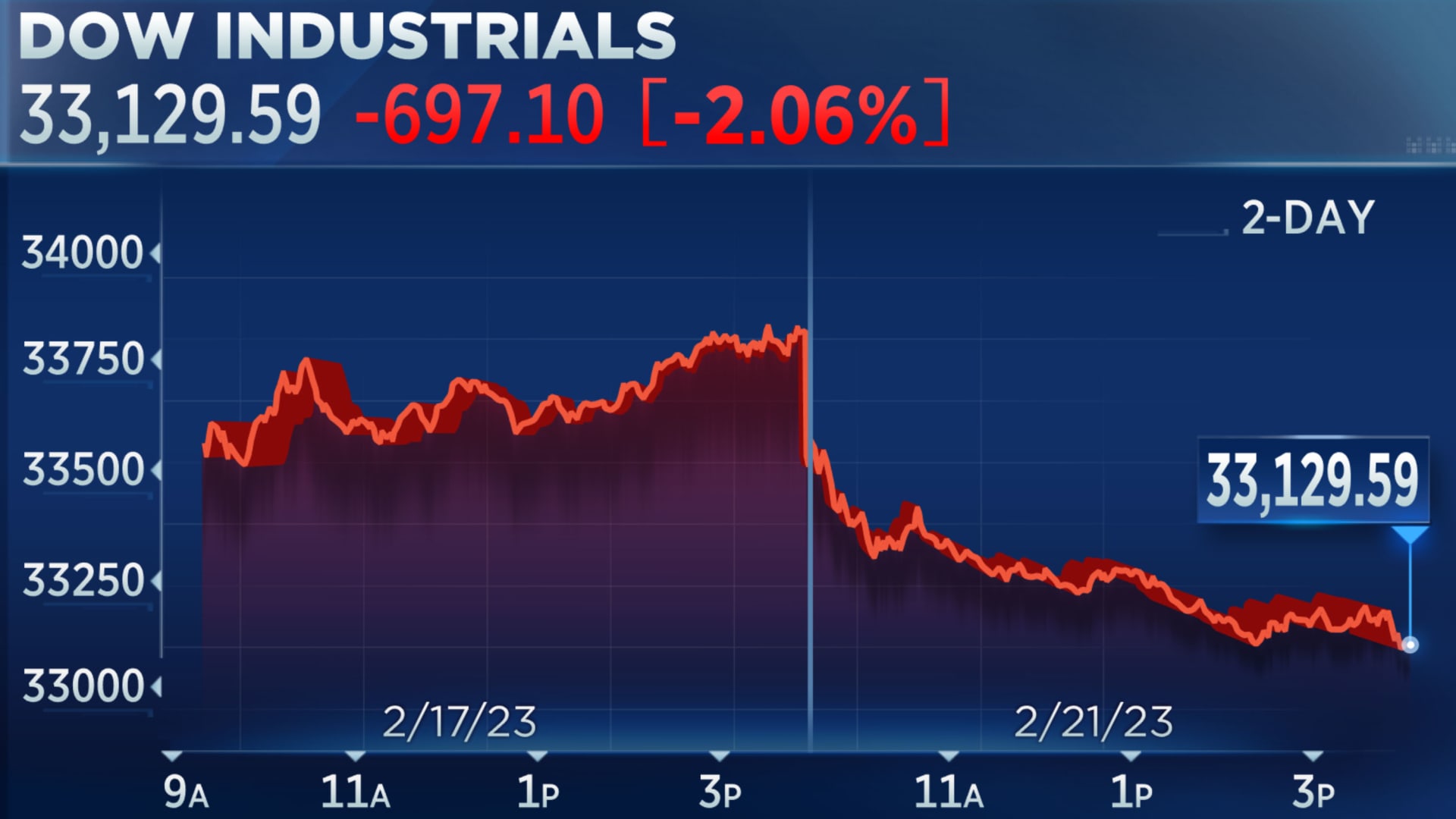
When charges increase, valuation multiples often compress. Larger discount charges minimize the present value of future money moves, which can be why growth and tech names—frequently charged on long-dated earnings— see sharper swings. For case, all through recent rate hike cycles, price-to-earnings ratios in high-growth pieces dropped quicker than those in defensive sectors. Conversely, when charge objectives ease, these same sectors often cause rebounds as investors re-rate potential earnings.
Industry behavior also changes with rates. Financials can benefit from broader net fascination margins when short-term prices rise faster than deposit costs, though credit chance can counteract that gain late in the cycle. Utilities and customer basics, prized for dividends, occasionally lag in rising-rate situations since their bond-like income passes experience firmer competition from higher-yielding repaired income. Energy and industrials can be mixed, monitoring both charge techniques and broader need signals.
Earnings tenderness matters. Businesses with larger leverage experience rate changes first. As refinancing costs increase, fascination price takes into edges; firms with solid harmony blankets have more resilience. View debt maturities and interest coverage ratios in quarterly reports to gauge exposure. At the same time, rate shifts impact client demand: higher mortgage and car loan charges can gradual big-ticket purchases, pressuring suppliers and housing-linked names.
Market width and energy usually reflect the charge narrative. When plan signs recommend a pause or rocker, chance hunger often broadens beyond a handful of mega-cap leaders. Conversely, hawkish shocks can narrow breadth as investors group into observed secure havens. Intraday volatility will spike around plan announcements and work or inflation releases simply because they reset charge expectations in real time.
Useful methods for navigating today's atmosphere:
Monitor the provide curve. A steepening curve can indicate improving development expectations; an inversion usually cautions of slower activity ahead.
Focus on money flow quality. Consistent free income movement and manageable debt masses can buffer against larger financing costs.
Diversify across charge sensitivities. Blend cyclical publicity with defensives to reduce single-factor risk.
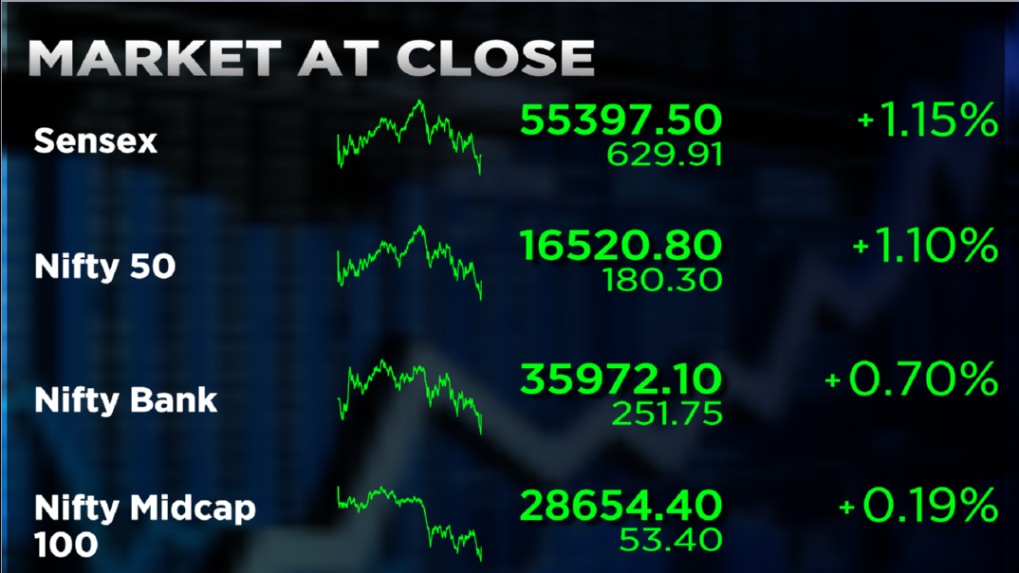
Use dollar-cost averaging all through erratic times to avoid time mistakes.
In the near expression, the way of inflation and the work market will form charge expectations— and , by extension, equity valuations. Staying seated in these aspects helps cut through sound, align portfolio choices along with your risk patience, and place for options when feeling swings.